The Fundamental Connection Between Chewing and Nutrition
The relationship between oral health and overall wellbeing extends far beyond the simple act of eating. When individuals experience tooth loss, the consequences ripple through their entire nutritional landscape, affecting everything from vitamin absorption to digestive efficiency. The mechanical process of mastication serves as the crucial first stage of digestion, breaking down food particles and initiating enzymatic reactions that enable the body to extract essential nutrients. Without proper chewing function, even the most nutritious diet can fail to deliver its full benefits to the body.
Modern restorative dentistry has revolutionised how patients can reclaim their chewing capacity. Those seeking dental implants Brentwood and in other locations discover that these permanent solutions do more than simply fill gaps in their smile. They restore the biomechanical forces necessary for proper food breakdown, which in turn influences how effectively the gastrointestinal system can process and absorb vital nutrients. This restoration of function represents a significant advancement in preventive healthcare, addressing nutritional deficiencies at their source rather than merely treating symptoms.
The Science Behind Mastication and Nutrient Release
Thorough chewing performs several critical functions that directly impact nutritional wellbeing. The physical breakdown of food increases the surface area available for digestive enzymes to act upon, whilst saliva production during mastication introduces important enzymes such as amylase and lipase. These enzymes begin the chemical breakdown of carbohydrates and fats before food even reaches the stomach. Research has demonstrated that improved mastication patterns significantly enhance nutrient bioavailability, particularly for fat-soluble vitamins like A, D, E, and K.
When chewing capacity is compromised due to missing teeth, individuals often unconsciously modify their dietary choices. This adaptation typically involves avoiding harder-to-chew foods such as raw vegetables, nuts, seeds, and lean meats—precisely the foods richest in essential vitamins, minerals, and proteins. The resulting dietary restrictions can lead to deficiencies in iron, calcium, vitamin B12, and folate, amongst others. Furthermore, inadequately chewed food places additional strain on the digestive system, potentially leading to reduced absorption efficiency even for the nutrients that are consumed.
How Dental Implants Restore Optimal Chewing Function
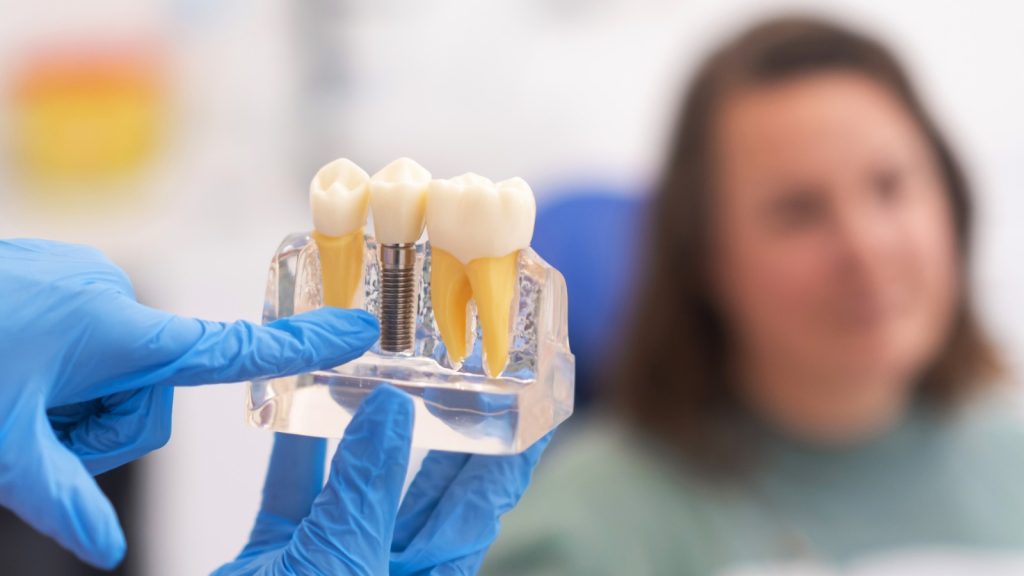
Unlike removable dentures or bridges, dental implants integrate directly with the jawbone through a process called osseointegration. This biological fusion creates a stable foundation that can withstand the considerable forces generated during chewing—forces that can reach up to 200 pounds per square inch in the molar region. This stability allows patients to bite and chew with confidence, restoring their ability to consume a varied and nutritious diet without restriction or discomfort.
The psychological impact of this restored function should not be underestimated. When individuals regain the ability to eat freely, they naturally gravitate towards a more diverse range of foods. Fresh fruits, crunchy vegetables, whole grains, and protein-rich foods return to the menu, bringing with them a spectrum of vitamins, minerals, antioxidants, and phytonutrients. Understanding how nutrition impacts dental implant success creates a beneficial cycle where proper nutrition supports oral health, which in turn enables better nutritional intake.
Long-Term Nutritional Benefits
The advantages of improved mastication extend well beyond immediate meal satisfaction. Proper chewing stimulates saliva production, which contains not only digestive enzymes but also minerals that help remineralise remaining natural teeth. Additionally, the act of thorough mastication sends satiety signals to the brain more effectively, potentially aiding in weight management and reducing the risk of overeating.
Clinical evidence suggests that patients who receive implant-supported restorations show measurable improvements in their nutritional markers within months of treatment. Blood tests reveal increased levels of essential vitamins and minerals, whilst body mass index often stabilises in individuals who had previously experienced unintended weight loss due to eating difficulties. The connection between dental implants and nutritional health continues to be an important area of research within restorative dentistry.
Supporting Lifelong Health Through Dental Restoration
The influence of dental implants on vitamin absorption and nutritional wellbeing demonstrates how oral health serves as a cornerstone of overall physical health. By restoring proper mastication, these advanced restorative solutions enable individuals to maintain diverse, nutrient-rich diets throughout their lives. The ability to chew effectively ensures that the body receives the full spectrum of vitamins, minerals, and nutrients necessary for optimal function, proving that investment in dental health yields dividends far beyond the mouth itself.